
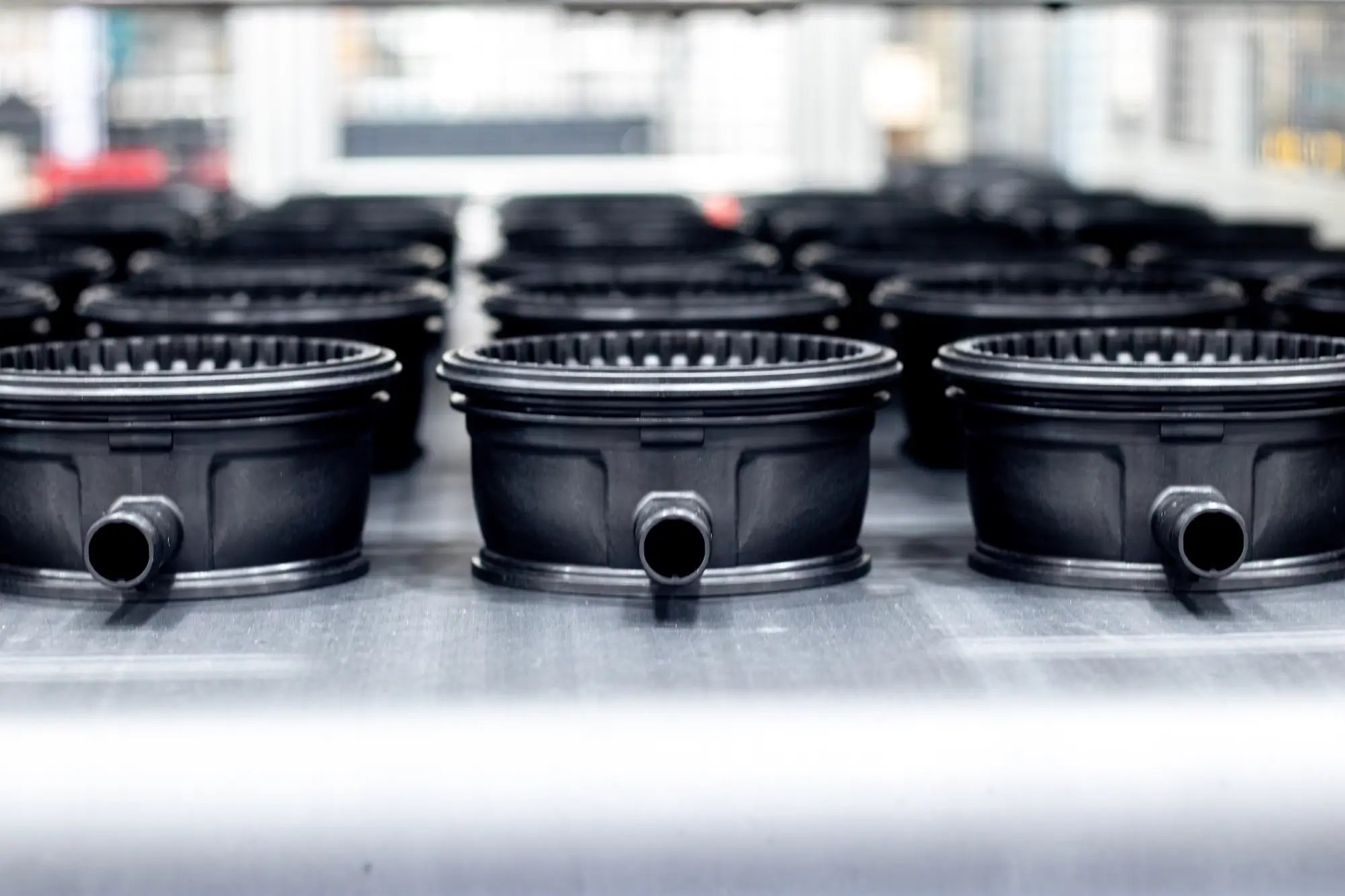
Scientific Molding Data-driven, repeatable, and scalable
TL;DR
- What scientific molding is: Data-driven injection molding that uses sensors + DOE to build a repeatable process window.
- Why it matters: Fewer defects, tight tolerances, consistent quality run-to-run
- How Kaysun does it: DfM & mold-flow analyses → DOE → cavity-pressure profiles → validation (IQ/OQ/PQ or PPAP)
What is Scientific Injection Molding?
Scientific injection molding is a data-driven approach to injection molding that emphasizes precision, consistency, and repeatability. Unlike traditional trial-and-error methods, scientific molding leverages mold flow analysis, Design of Experiments (DOE), and sensor-based real-time cavity pressure monitoring to define and control a repeatable, validated molding process for producing consistent, tight tolerance parts.
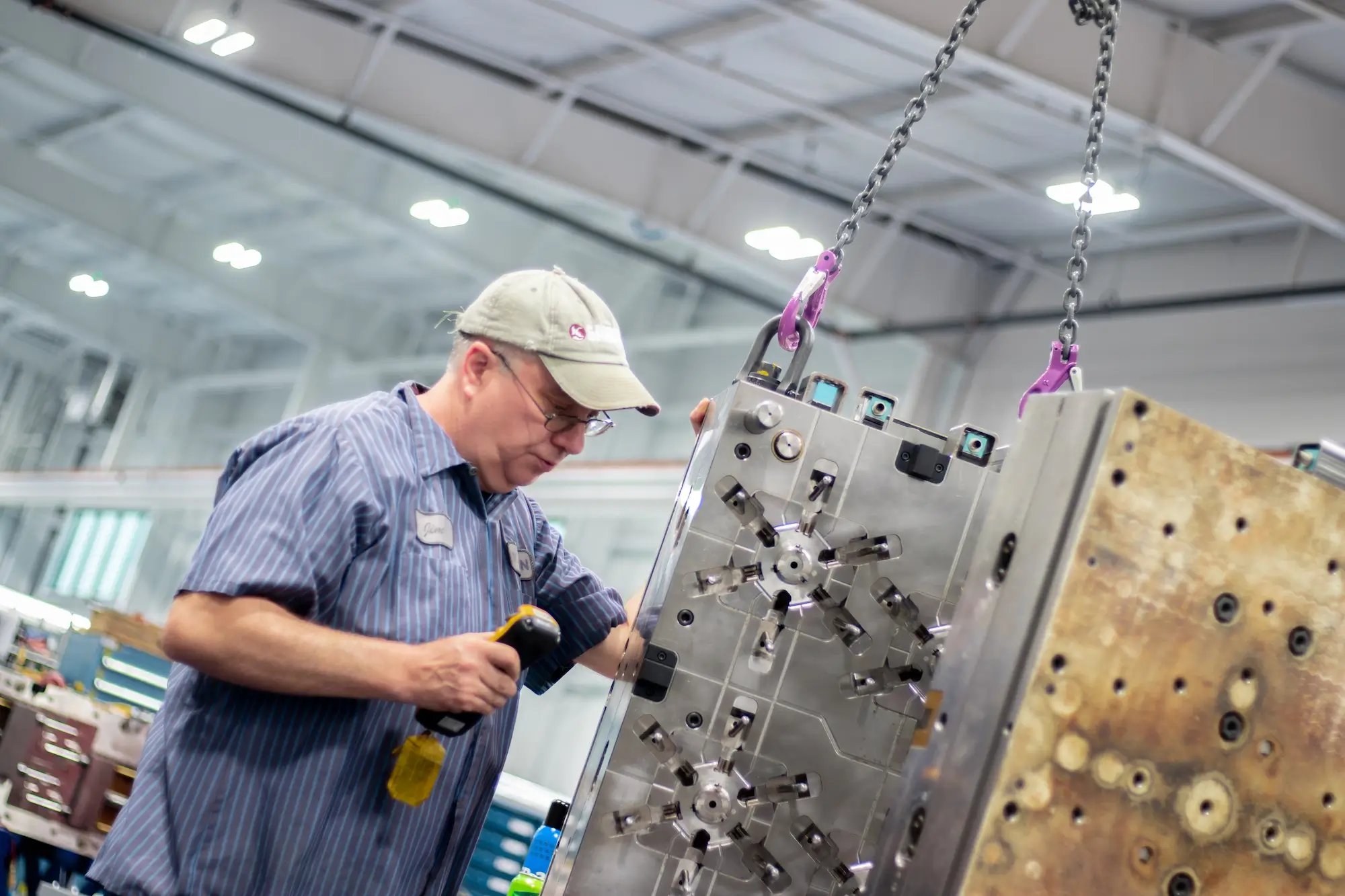
Design for Manufacturability de-risks tooling and helps accelerate time to market
Benefits of Scientific Molding
- Repeatability & Quality: Consistent part performance with minimal setup variation
- Process Control & Cost: Real-time monitoring minimizes variation and optimizes cycle times
- Validation & Compliance: Streamlined qualification paths ( IQ/OQ/PQ or PPAP ready)
AN OEM'S GUIDE TO Scientific Molding
Steps in the Scientific Molding Process
STEP 1:
REVIEW AND RECOMMEND
Define part fit; plan sensor strategy
STEP 2:
DESIGN PART AND TOOLING
Optimize gate, venting, cooling, and sensor layout
STEP 3:
BUILD TOOL
Precision steel and instrumentation per spec
STEP 4:
ESTABLISH PROCESS WINDOW (DOE)
Analyze fill/pack/hold; document switch-over
STEP 5:
MOVE TO PRODUCTION AND MONITOR
Lock validated settings; statistical process control (SPC) and alarms
STEP 6:
MAINTAIN
Validated/documented/optimal (“golden run”) audits; proactive maintenance
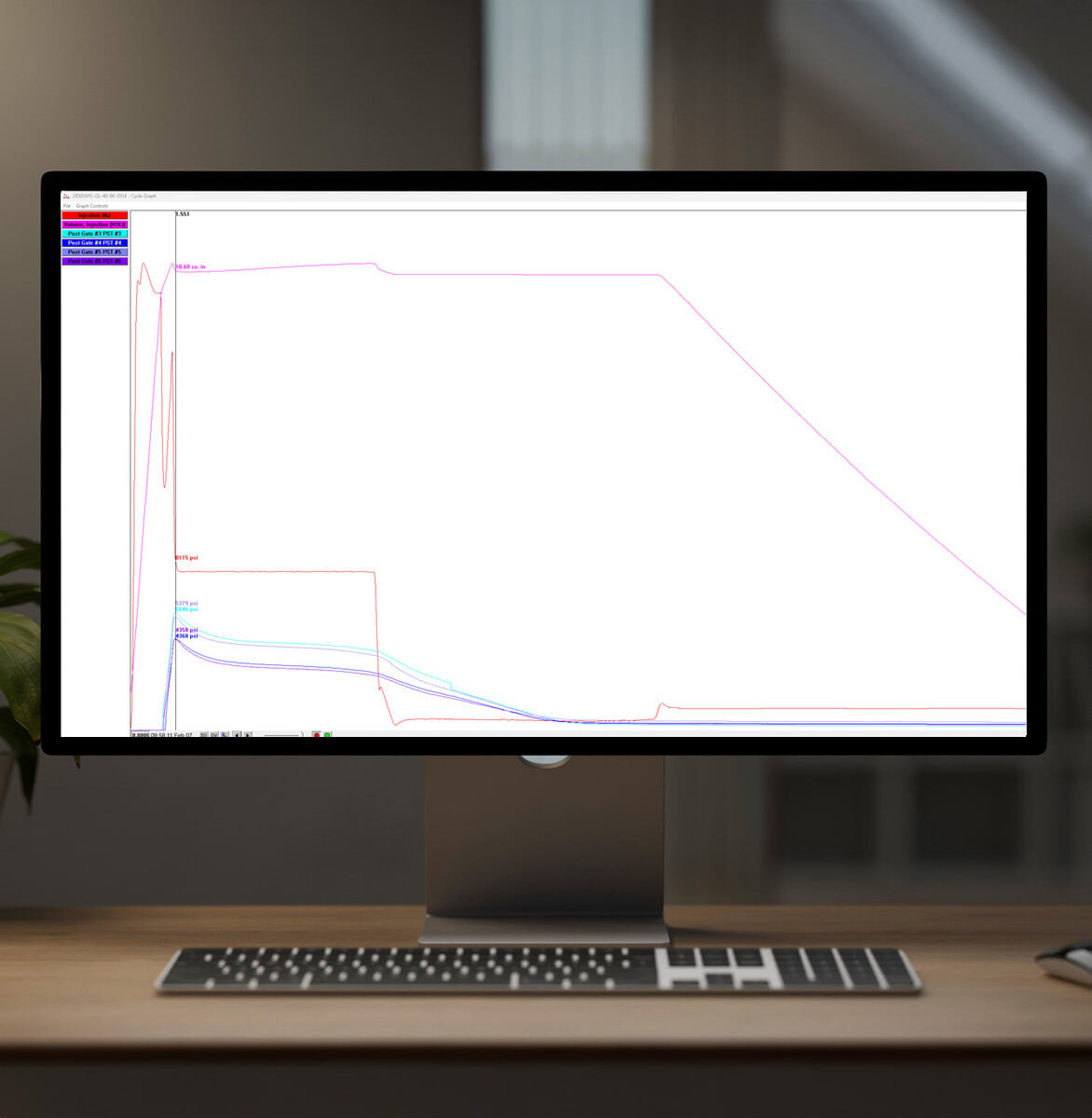
Core Scientific Molding Tools & Tests
Rheology / Viscosity Curve defines shear/temperature strategy for stable fill
Velocity Profiling identifies fastest defect-free fill to reduce cycle time
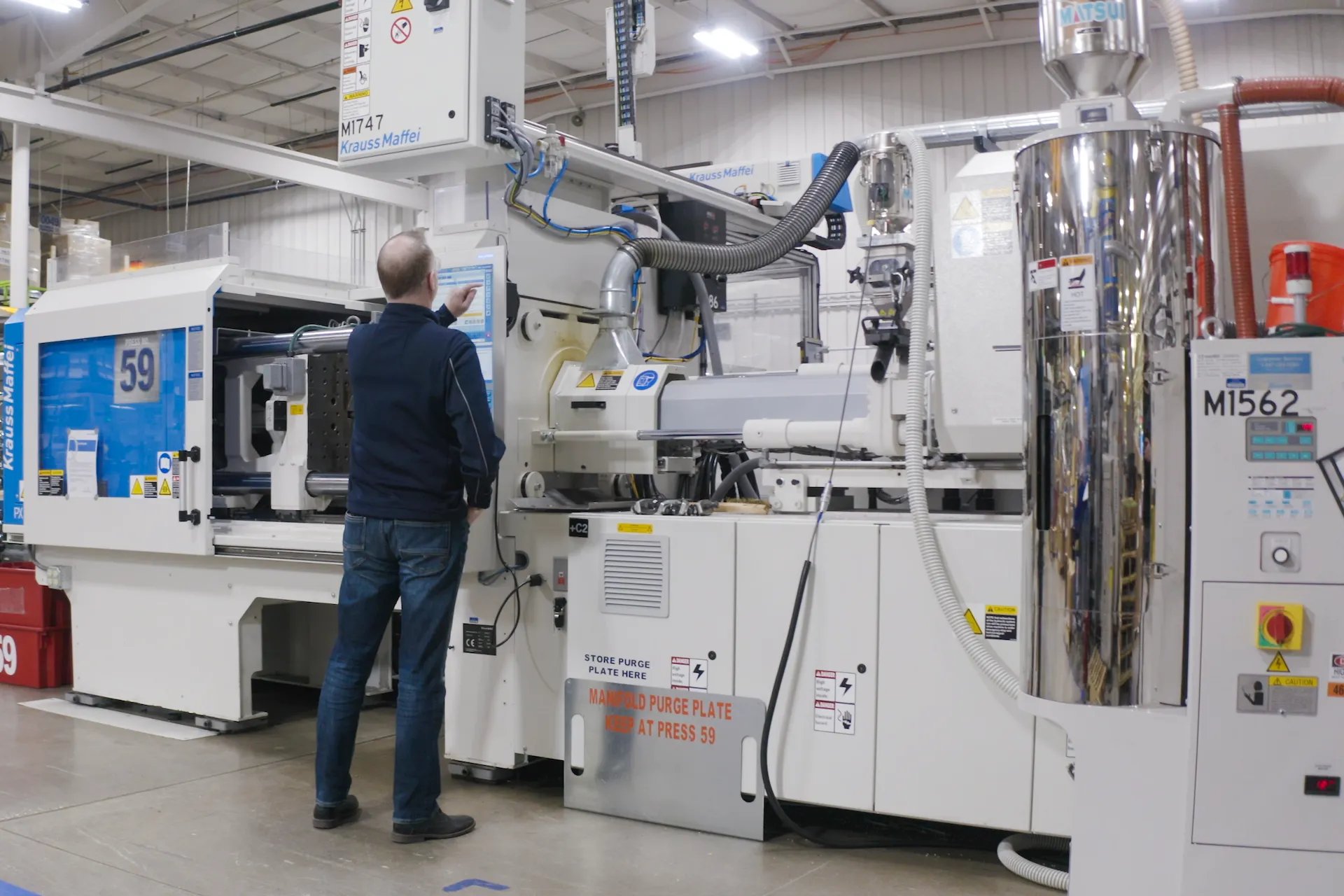
Cavity-Pressure Monitoring enables decoupled molding; detects process drift
Gate Seal (Freeze) Study confirms pack/hold time; prevents warping/voids
DOE (Design of Experiments) pinpoints critical variables; defines processing window
Why Choose Kaysun for Scientific Injection Molding
Expert Engineers with Specialized Training
- Engineered Excellence: A discipline and Kaysun commitment to continuous improvement that creates strategic alignment, purposeful work, and predictable outcomes
- Certifications: RJG Master Molder I & II, Systematic Molding
- Engagement: Tool qualification through production; legacy tool rescue
- Problem-Solving: Use pressure data and DOE to isolate and resolve defects
Scientific Injection Molding FAQs
What is scientific molding?
A data-driven process that uses mold-flow, DOE, and pressure sensors to create repeatable, validated molding conditions.
What industries benefit most from scientific molding?
Industries with tight tolerance, high-reliability requirements, such as medial, automotive, industrial, and consumer electronics typically see the greatest benefits from scientific molding’s repeatability and validation rigor.
What documentation is included in scientific molding?
Cavity-pressure signatures, process windows, capability studies, and IQ/OQ/PQ or PPAP reports.
What role does Design for Manufacturability (DfM) play in scientific molding?
DfM lays the foundation by optimizing part and tool design for flow, cooling, and sensor placement critical to defining a robust process window.
What is a process window in scientific molding?
A validated range of settings defined using DOE and pressure traces for fill, pack, hold, and cooling that consistently produces in-spec parts.
Is scientific molding required for medical device production?
While not mandatory, it’s often preferred or required by OEMs and regulatory bodies due to its traceability, repeatability, and validation support (IQ/OQ/PQ).
Does your company fit our ideal customer profile?
Complete the form to request a free consultation with our plastic engineering experts.