
Medical Injection Molding MedAccred-accredited processes for complex, validated medical devices
TL;DR
-
What we do: Medical injection molding for complex, safety-critical devices
-
Why Kaysun: MedAccred Plastics, ISO 13485, DfM & mold-flow, scientific molding, overmolding
-
Outcomes: Faster validation, fewer defects, consistent quality, reliable launches
-
Who we serve: Disposable & reusable devices, diagnostics, patient-monitoring, drug-delivery
Why Choose a MedAccred-Accredited Medical Injection Molding Company
Leading medical injection molding companies pair MedAccred accreditation and ISO 13485 certification with DfM/mold flow analyses, scientific molding, and disciplined part validation to help medical OEMs bring complex medical devices to market on spec and on time.
Kaysun offers:
-
Engineered Excellence in all aspects of complex injection molding
-
MedAccred Plastics accreditation (since 2020) and ISO 13485:2016 certification
-
DfM and mold flow analyses early in the program to de-risk tools, reduce warp/shrink, and optimize cooling
-
Scientific molding with cavity-pressure monitoring for repeatable production runs
-
Documented quality plans, traceability, and risk-based controls
Why MedAccred Accreditation Matters to Manufacturers
- Stronger supplier selection and supply chain confidence
- Tighter process control resulting in fewer defects, recalls, and complaints
- Consistent device quality and reduced risk to patients and OEMs
Engage Your Medical Injection Molder Early for Design Advantage
Involving Kaysun’s engineers during concept and tooling allow for DfM and mold flow insights that refine part geometry, gate/venting, knit-line, and cooling strategies that help cut rework, compress timelines, and improve durability and usability.
Related Resources
Medical Device Development — Don’t Forget Your Injection Molder
Case Study: The Role of Injection Molding in Medical Device Redesign
Designing Plastic Parts & Products for Complex Medical Applications
Improve Performance with Medical Overmolding
What Overmolding Solves
-
Shock/vibration damping
-
Sealing
-
Electrical insulation
-
Chemical/UV resistance
-
Moisture/oxygen barriers
-
Color/texture features
Typical Use Cases
-
Handheld devices
-
Grips
-
Patient-touch surfaces
-
Seals
-
Tethered connectors
-
Housings
Related Resources
Overmolded Medical Device Components Meet In-Home Healthcare Demands
Overmolding: What it is and What it Means for Products and Profits
Materials Selection for Medical Devices
Characteristics Kaysun’s Materials Expertise Helps Balance
- Biocompatibility & safety: Contact class, additives, stabilizers
- Chemical & sterilization resistance: Cleaners, disinfectants, ETO/steam/other compatibility
- Mechanical performance: Stiffness/impact, creep/fatigue, transparency, colorants
- Manufacturability: flow/wrap, knit lines, tolerance stack, cycle time
Related Resources
Chemical Resistant Resins for Medical Applications
4 Factors That Determine Resin Selection for Medical Applications
Checklist: OEM-Molder Strategies for the Resin Shortage
Quality Validation & Documentation
- Process validation: IQ/OQ/PQ protocols customized to align with your internal SOPs and regulatory requirements for consistent, compliant production
- Scientific molding: Replicable, data-driven process parameters, including cavity pressure curves, to ensure part consistency across multiple presses and runs
- In-process monitoring & SPC: Real-time data tracking with Cpk/Ppk analysis to maintain process capability and proactively manage quality variation
- Inspection & testing: Comprehensive dimensional and functional verification using vision systems, CMM, CT scanning, leak testing, and other methods as needed
- Traceability: Full lot control and device history recordkeeping to meet FDA, MDR, or other regulatory standards for medical device manufacturing
Validation FAQs
Is validation required for all injection-molded parts used in the medical industry?
Not always. It depends on the device class and regulatory pathway. However, validation is typically required for parts used in Class II and III devices, or for any component directly involved in patient safety, dosage control, or critical performance.
How often does an injection molding process need to be revalidated?
Revalidation may be required if there are changes to the mold, material, equipment, or process parameters. Regulatory bodies or internal quality systems may also mandate periodic revalidation to ensure continued compliance.
Do process validation and part approval mean the same thing in medical molding?
No, they serve different purposes. Process validation confirms that the injection molding process consistently produces parts that meet quality and regulatory requirements. It involves steps like IQ, OQ, and PQ to establish and document process stability. Part approval, ensures the molded part itself meets all dimensional, functional, and performance specifications. This may include first article inspections, material verification, or biocompatibility testing. Both are essential in regulated medical manufacturing, but validation focuses on how parts are made, while approval focuses on what is made.
Why is IQ/OQ/PQ validation important to medical OEMs?
Medical OEMs are accountable for device safety and performance. IQ/OQ/PQ validation provides documented proof that the molding process is controlled, repeatable, and capable of producing compliant parts. It reduces risk, satisfies regulatory requirements, and helps speed up audits, market entry, and design changes.
When should IQ/OQ/PQ validation start in a medical injection molding program?
Validation planning should start early, ideally during tool design. This allows time to integrate sensors, define critical-to-quality parameters, and align the process with regulatory goals. Early involvement avoids costly rework and ensures smoother FDA or notified-body approval.
How long does the injection molding validation process take?
Timelines vary based on part complexity, tooling readiness, and documentation scope. A typical validation from IQ through PQ may take 4–8 weeks. Your injection molding partner is the best source for determining timelines.
Medical Applications We Support
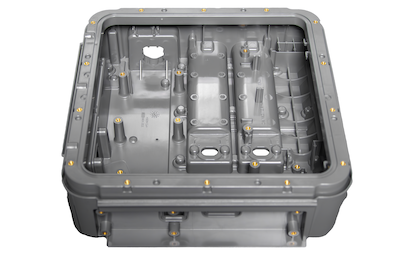
- Patient monitoring & diagnostics: housings, sensor carriers, fluid paths
- Drug delivery & disposables: tips, valves, connectors, closures
- Surgical & reusable devices: handles, guards, instrument components
Real-World Results
Pulse Oximeter Redesign
Challenge:
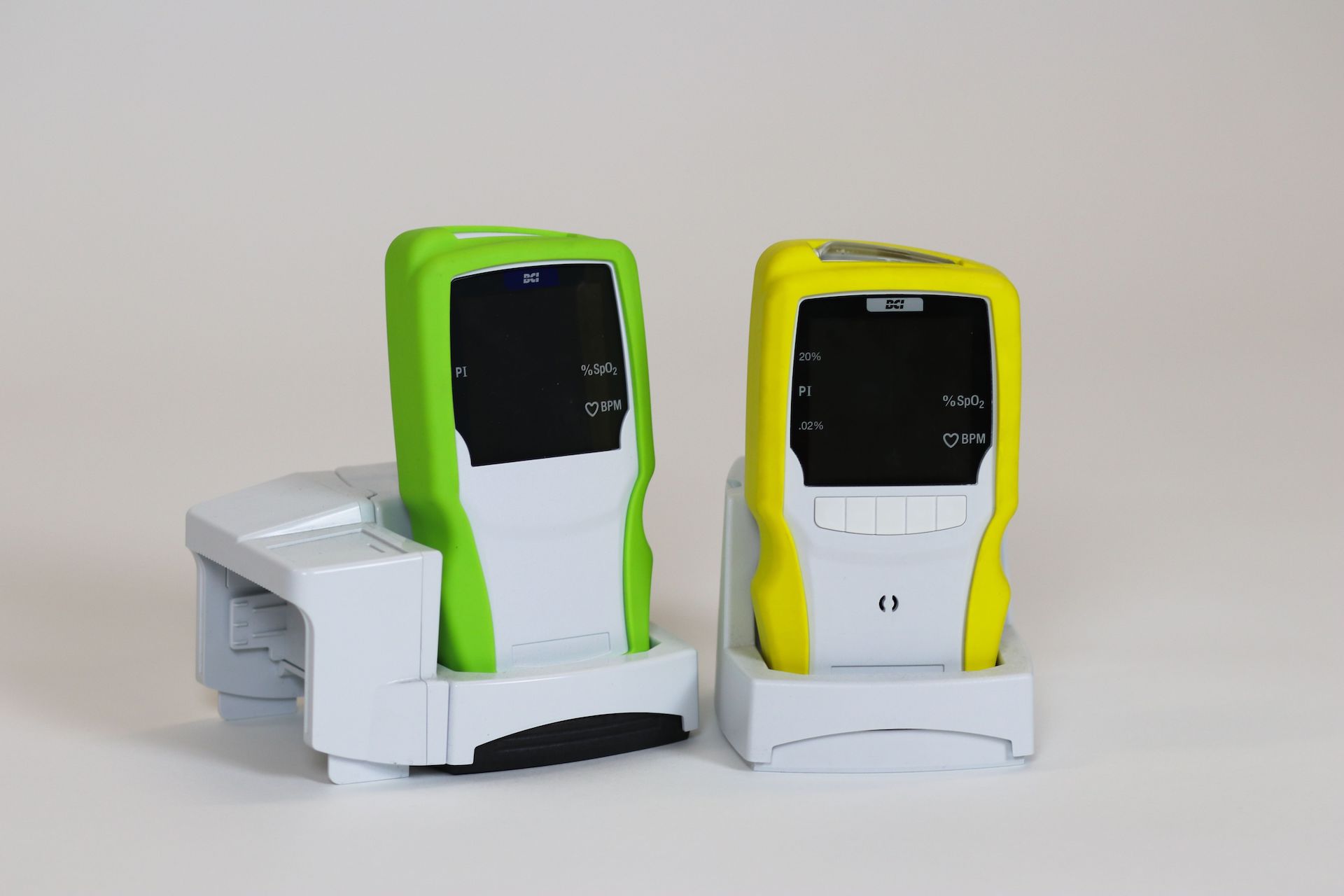
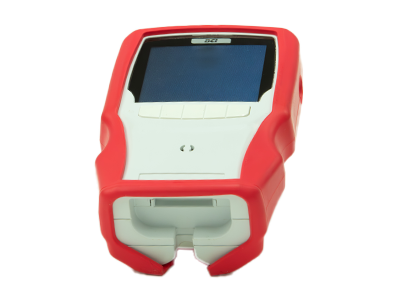
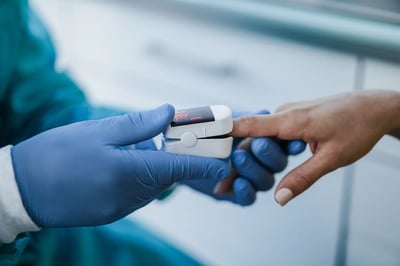
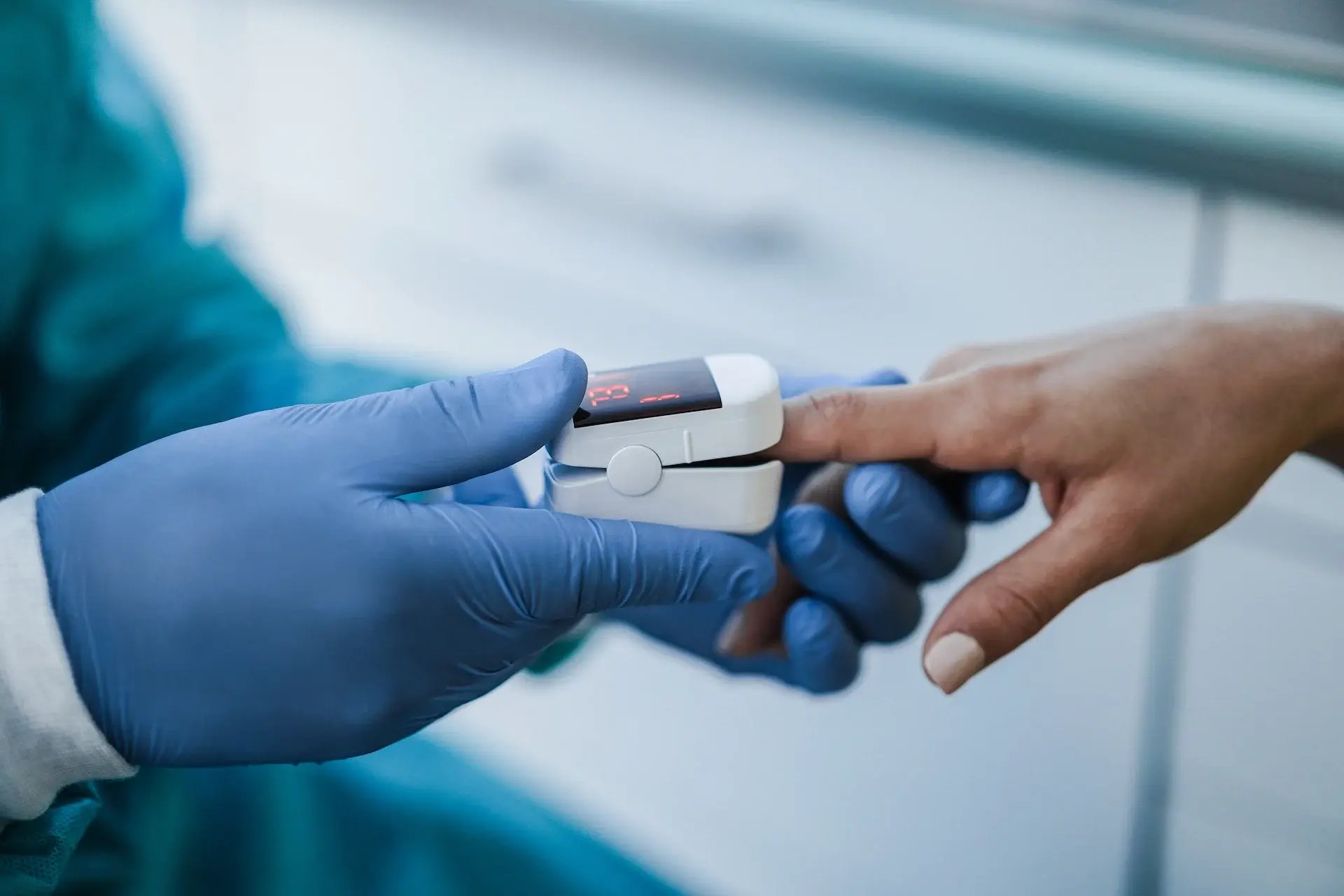
A global medical device manufacturer needed to consolidate their pulse oximeter product line, ideally being able to use one manufacturing platform and interchangeable peripherals to support production. The injection molded peripherals needed to remain durable enough to withstand rigorous use by emergency medical technicians in the field.
Solution Highlights:
- Analyzed over two dozen components and provide design suggestions
- Developed the manufacturing and assembly processes surrounding the device consolidation
- Leveraged deep resins expertise to guide appropriate materials selection for all rigid components and the overmolded substrate
- Designed color-coded rubbery boots to provide at-a-glance identification of each device type (EMT or clinical setting)
- Created in-mold decoration to signify read-out metrics and symbols that are key factors in obtaining accurate readings when using handheld medical devices while in motion or in low-perfusion situations
Impact:
Achieved several key product and business objectives for the OEM’s streamlined pulse oximeter line: cost efficiencies related to transitioning to one-platform injection molding, improved end-user experience with better equipment options, and market advantage with patented technologies in two pulse oximeter models.
The Perfect Partner,
The Perfect Part
Partner with a medical plastic injection molding company that blends Engineered Excellence, design support, materials expertise, and validated quality. Kaysun’s engineering depth, documentation discipline, and MedAccred/ISO framework help teams bring reliable solutions to market with confidence.
Related Resources
Are Commodity Injection Molders a Value-Add for Medical OEMs?
The Ultimate Guide to Medical Parts Manufacturer Selection
Custom Injection Molding for Competitive Advantage in Medical Device Manufacturing
The Importance of Scientific Molding in Medical Device Manufacturing
WHAT OUR MEDICAL CUSTOMERS SAY
“Kaysun exceeded our expectations in all areas. They made a complex, gigantic program easy from an engineering standpoint. Working with the Kaysun engineering team is like a hot knife through butter.”
DAVE D.
Senior Industrial Designer
Medical Injection Molding FAQs
What is medical injection molding?
How do I evaluate medical injection molding companies?
What is IQ, OQ, and PQ in medical injection molding validation?
Why is process validation important in medical molding?
What documentation is provided during validation?
Do all medical parts require full validation?
Does your company fit our ideal customer profile?
Complete the form to request a free consultation with our plastic engineering experts.